
Home › Discover › History
History of the Voies de Tours
The Voie de Tours, the great road to Santiago: sixteen centuries of pilgrimage, from the tomb of Saint Martin to Compostela.
Temporary page. Sylvain Péna is writing the history and heritage of the Voies de Tours. The content below is only a placeholder outline.
Before Compostela, Saint Martin
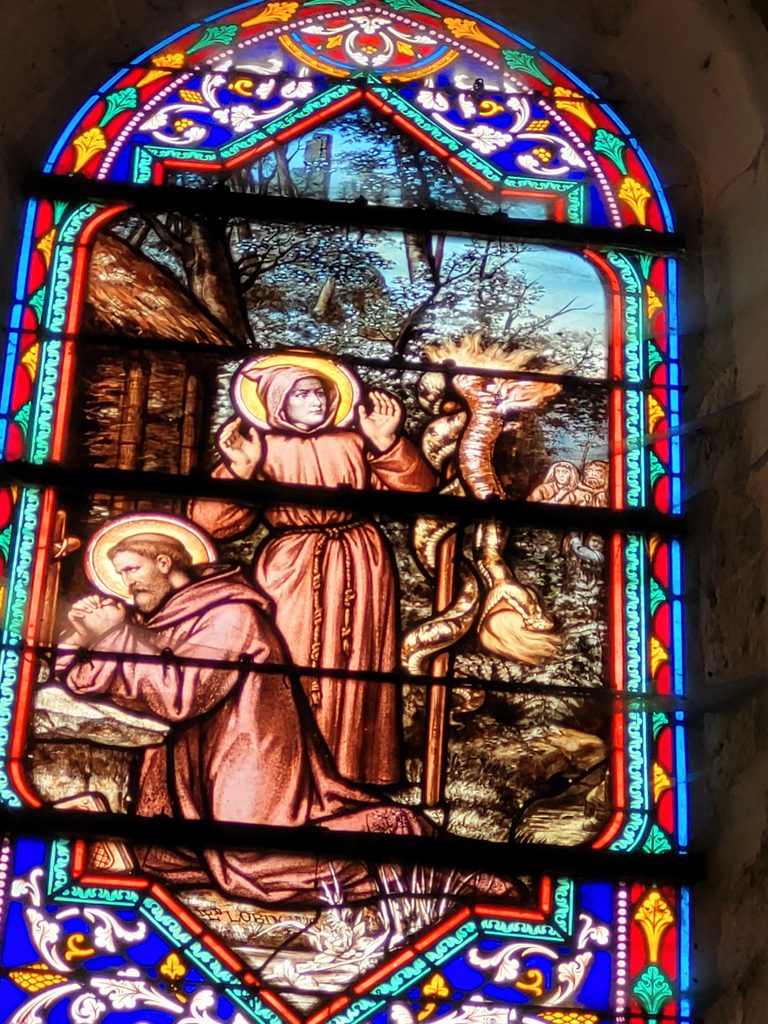
Long before people set off for Galicia, Tours was already a great place of pilgrimage. Martin, a Roman soldier who became a monk and then Bishop of Tours in 371, died at Candes in 397. His reputation for holiness was immense: the story of the cloak he shared with a beggar in Amiens spread throughout Christendom.
From the 5th century onwards, his tomb drew crowds of pilgrims from all over Gaul and beyond; a great basilica was built to receive them. The paths converging on Tours are among the oldest pilgrimage routes in Europe.
This is why the Voie de Tours is often described as the oldest St James route in France: the pilgrims to Santiago took over paths already walked in honour of Saint Martin, extending them southwards.
The Pilgrim’s Guide and the four routes
Around 1140, the Codex Calixtinus devotes its last book, the “Pilgrim’s Guide”, to the roads of France. It describes four routes, including the one that “passes through Saint-Martin de Tours”.
Orléans, Tours, Poitiers, Saintes, Bordeaux
Vézelay, Limoges, Périgueux
Le Puy, Conques, Moissac
Arles, Saint-Gilles, Toulouse
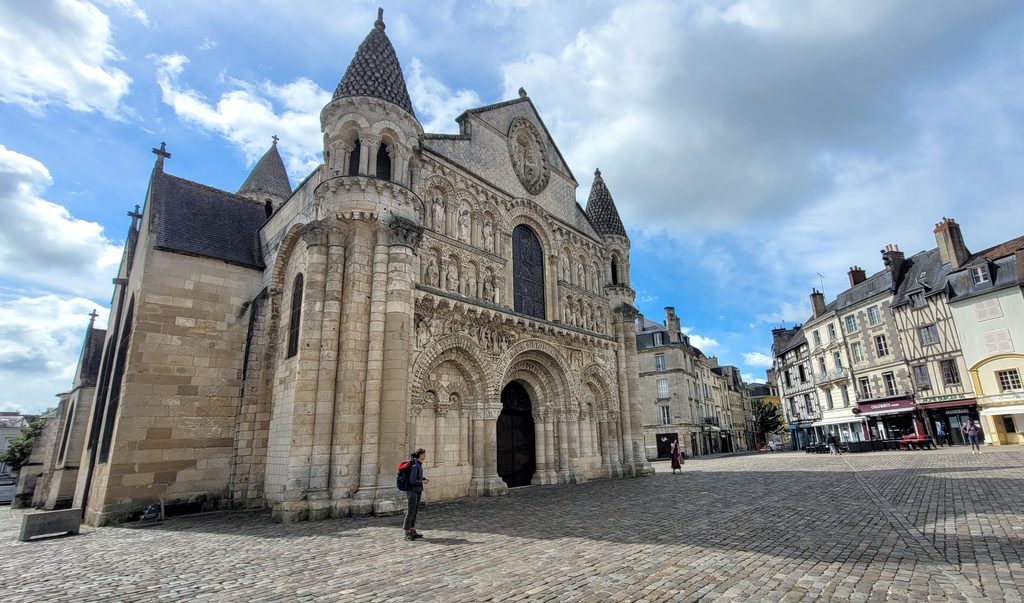
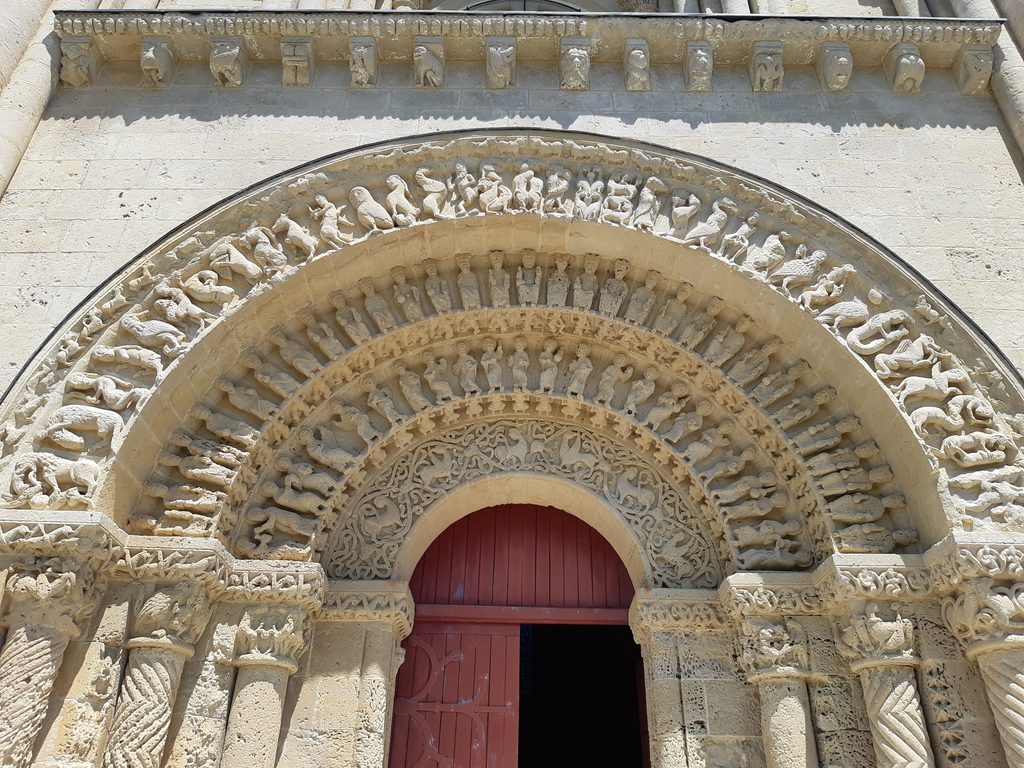
The shrines mentioned along the Voie de Tours
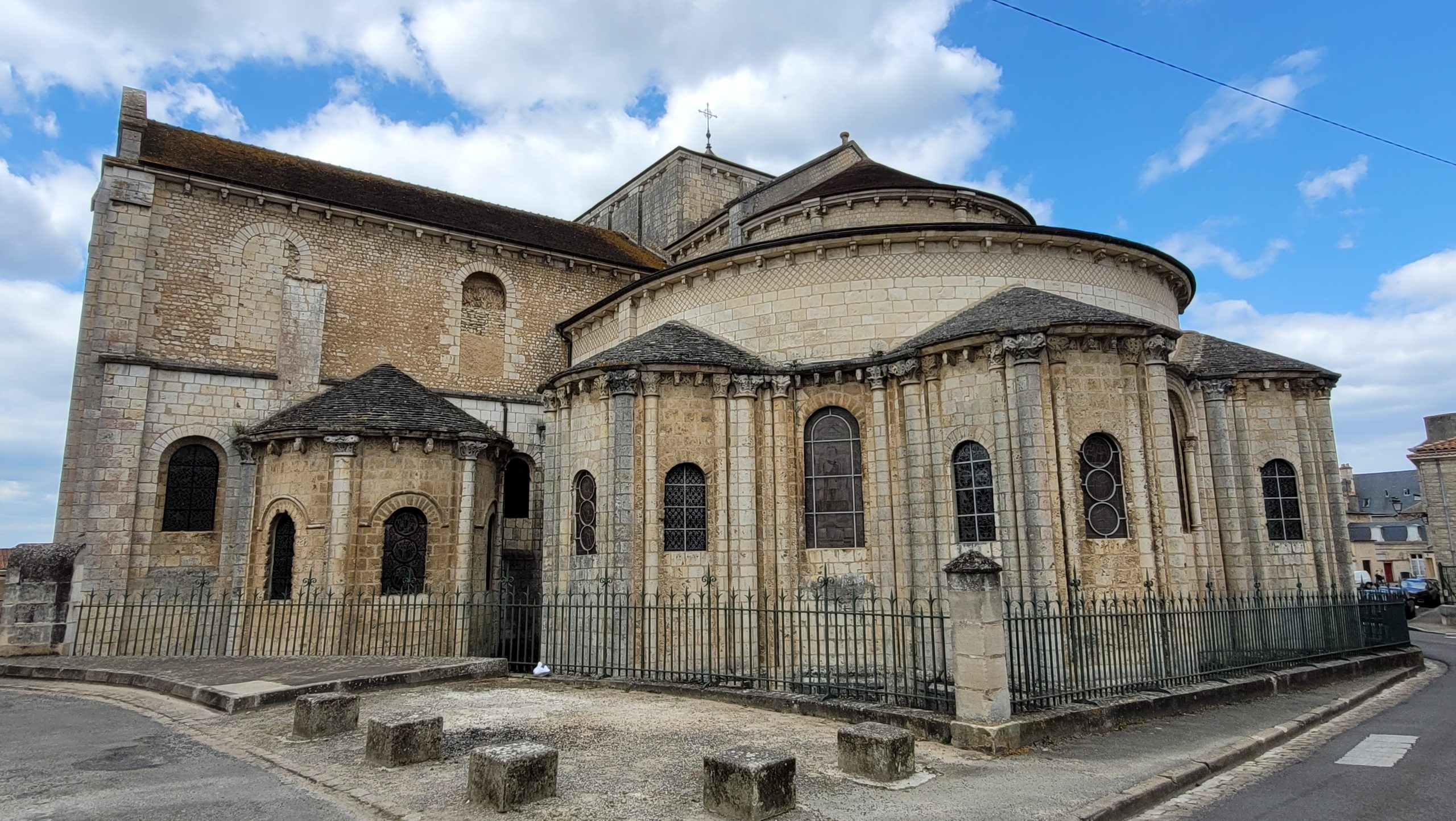
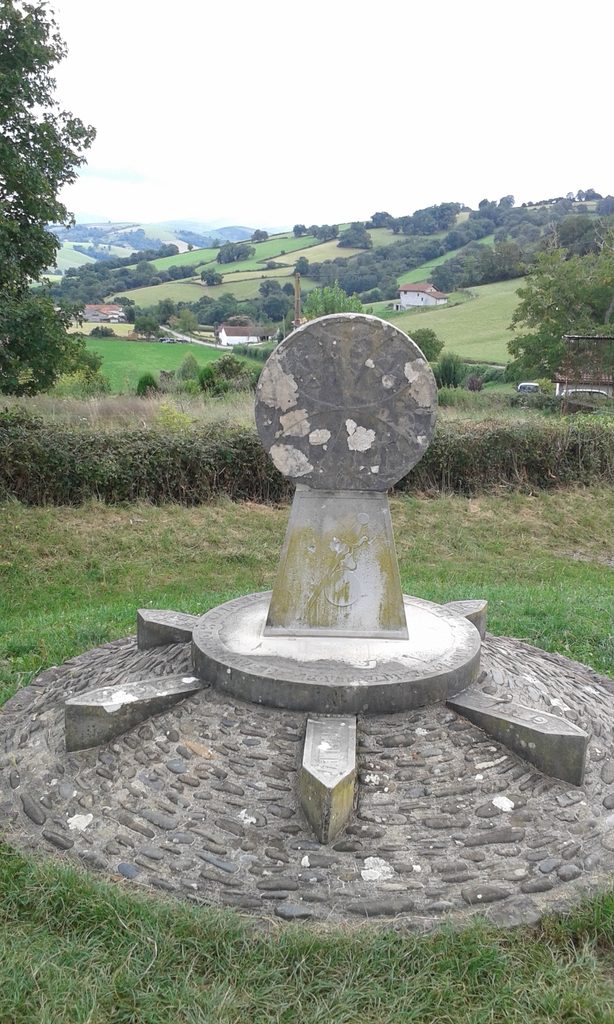
The Guide invites pilgrims to venerate the relics and saints they meet along the way. The Tours, Vézelay and Le Puy routes then meet near Ostabat before crossing the Pyrenees.
Sixteen centuries on the road
Key dates of the Voie de Tours PROVISIONAL OUTLINE
Death of Saint Martin
The Bishop of Tours dies at Candes. His tomb becomes one of the great pilgrimage sites of Gaul.
The first pilgrimages to Tours
A basilica is built over the tomb of Saint Martin; pilgrims flock to it.
The tomb of Saint James in Galicia
The discovery of the apostle’s tomb gives rise to the pilgrimage to Compostela.
The Pilgrim’s Guide
The Codex Calixtinus describes the four routes through France, including the Voie de Tours.
Pilgrims’ accounts
Travel accounts, from the Middle Ages to the 19th century, bear witness to the continuous use of the route.
European Cultural Route
The Routes of Santiago de Compostela become the first Cultural Route of the Council of Europe.
UNESCO World Heritage
The “Routes of Santiago de Compostela in France” are inscribed, along with several monuments on the Voie de Tours.
Today, a route to rediscover
Neglected in modern times, the Voie de Tours has come back to life with the revival of pilgrimage. St James associations waymark the paths, open pilgrim hostels and keep the memory of the route alive.
Yet it remains less known than other routes: that is what this website is all about — making known an easy, peaceful route steeped in history.
Walking in the footsteps of pilgrims
Discover the historic Paris – Saint-Jean-Pied-de-Port route.